
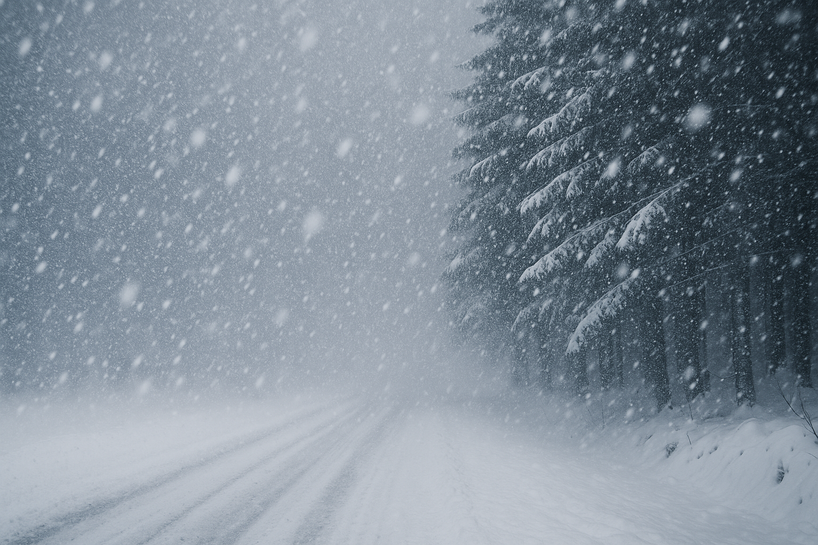
Storm Cycles & La Niña Influence
The Farmers’ Almanac forecasts a season filled with rapid-fire storms, alternating between rain and snow across much of the U.S.—a “Wet Winter Whirlwind.” The onset of La Niña is expected to stick around, bringing colder, wetter conditions especially to the northern Plains, Great Lakes, and Midwest.
Cold Outbreaks & Heavy Snow Windows
-
Northern Plains to Great Lakes: Repeated plunges of Arctic air, with a particularly severe cold snap in late January through early February. Expect heavy snow showers and squalls, particularly east of the Great Lakes.
-
Northeast/New England: Stormy, wet, and slightly above-normal temperatures—snowier in interior/mountain regions, with sleet and rain near coastal zones.
Regional Variations
-
Pacific Northwest: An unusually chilly winter with above-average precipitation due to La Niña .
-
South & Southwest (Texas, Southeast, Atlantic Coast): Milder winter overall, but punctuated by wet storm events .
-
Southwest: Average temps and precipitation; the Northwest U.S. experiences wetter-than-average conditions .
Calendar Highlights & Alerts
-
Late January Alerts: Two key periods—Jan 20–23 and Jan 24–27—are flagged for intense storm activity: snow, ice, rain, and gusty wind, especially across the eastern half of the country.
-
Early February: Watch for localized heavy snowfall—up to 6″ in parts of Texas, and 12″ in western mountain ranges like Idaho’s Bitterroots.
What Shapes Their Forecast & How Reliable Is It?
The Farmers’ Almanac relies on a longstanding secret formula—from the early 19th century—combining astrology, sunspots, tidal data, and planetary positions, executed under the pseudonym Caleb Weatherbee.
They proudly claim an 80–85% accuracy rate, but independent studies and sources like USA Today and Weatherwise have suggested their success rate is closer to 50%, comparable to chance.
✅ What You Can Do to Prep
-
Eastern U.S.: Ready your storm shovels and salt—late January could bring heavy winter setups.
-
Great Lakes/Plains: Stock up on heating support for Arctic blasts in early February.
-
Pacific Northwest: Ensure rain gear is ready—expect a wetter, colder winter.
-
South/Southwest: Stay flexible—mild base temperatures but "showery" conditions may follow storms.
Almanac Forecast Snapshot
| Region | Temp Trend | Precipitation Trend | Key Periods |
|---|---|---|---|
| Northern Plains / Great Lakes | Colder / Stormy | Above-normal snow and rain | Late Jan–Feb (heavy snow/squalls) |
| Northeast / New England | Slightly warmer | Stormy; more rain/sleet on coast | January–Feb |
| Pacific Northwest | Unseasonably chilly | Above-average precipitation | All winter |
| Southeast / Gulf / Texas | Mild | Wet winter events | Early Feb localized snowfall possible |
A Balanced Take
The Farmers’ Almanac presents a vivid and dramatic forecast for winter 2025–2026—brimming with storms, Arctic blasts, and wintry surprises in key regions. Whether you choose to plan based on their predictions likely comes down to personal preference—embracing the lore, and hedging your bets with more conventional meteorological trends.
If you’re a planner, entertainer, or someone sensitive to weather conditions, it’s a good idea to cross-reference with NOAA’s seasonal outlooks and local forecasts as the winter unfolds, while keeping the Almanac’s favorite dates (late Jan–early Feb) on your radar.
Final Thought
Get your snow gear and storm plan ready—this winter might just live up to the Almanac’s dramatic warning. But also remember, whether it’s by cosmic alignment or meteorological chance, something unexpected is always possible. Stay prepared, stay warm, and enjoy the beauty of the season.